Rainy Season Is Here and Your Vehicle Notices
If you have lived in Lake County for more than a year, you know the pattern. June rolls in and the afternoon thunderstorms start showing up like clockwork. By 3 PM the sky goes dark, by 3:30 you cannot see 50 feet in front of you on US-441, and by 4:00 the sun is back out and the road is already steaming.
That cycle happens almost every day from June through September. It is part of life here. But that kind of rainfall puts specific stress on your vehicle that a lot of drivers do not think about until something goes wrong.
We see the same problems come through the shop every summer. Most of them are predictable. Most of them are preventable.
Brakes Take the Worst of It
Brake rotors rust fast in humid conditions. If you drive your car daily that rust gets scrubbed off and you may not notice much. But if your vehicle sits for even a day or two during a stretch of rainy weather, the rotors can develop surface rust that causes noise and a slight roughness when you first start braking.
Light surface rust after sitting in the rain is normal and usually goes away after a few brake applications. That is not the issue.
The issue is what happens over months and years of this cycle on the brake hardware. The caliper slide pins, the bracket hardware, the clips that hold the brake pads in place. These corrode. When caliper slide pins corrode, the caliper stops moving freely. The brake pad on one side drags against the rotor constantly, wearing out faster than it should and generating heat that damages the rotor. You might not feel it right away. By the time the brake is grinding or pulling noticeably, the damage has been accumulating for a while.
Before rainy season gets fully underway is a good time to have the brakes inspected. Not just pad thickness. The whole system. We look at the hardware, the calipers, the lines, and the fluid condition on every brake inspection we do.
Brake fluid absorbs moisture over time. In a high-humidity environment like Lake County, this happens faster than the mileage-based service intervals might suggest. Moisture-contaminated brake fluid has a lower boiling point, which means hard braking on a wet road can cause the fluid to vaporize and the pedal to go soft. That is not a situation you want to discover at 60 miles an hour.
Your Tires Matter More in the Rain Than Any Other Time
Wet roads reveal the true condition of your tires. Worn tires that seem fine in dry weather cannot channel water out of the contact patch fast enough to maintain grip when it is raining. The tire starts to ride on top of a thin film of water instead of gripping the road. That is hydroplaning, and it happens faster than most people expect.
Check your tread depth before summer. The legal minimum in Florida is 2/32 of an inch, but we recommend at least 4/32 for wet weather traction. The penny test works: put a penny in the tread with Lincoln’s head down. If you can see the top of his head, your tires need to be replaced.
Tire inflation also matters. Rain cools the road surface quickly. Temperature swings affect pressure. Tires that are properly inflated in the morning may be low after a long rainy afternoon. Underinflated tires have a larger contact patch but they do not channel water as effectively, and they overheat faster in summer driving conditions. Check your tire pressure regularly during rainy season and keep it at the number on the sticker inside your driver door, not the maximum pressure molded into the tire sidewall.
The Roads Themselves Are Different Right After Rain
The first few minutes after rain starts can actually be the most dangerous driving conditions of the whole storm. Water mixes with oil and rubber that have built up on the road surface and creates a slick film before there is enough water to wash it away. That is when traction is at its worst.
On the longer Eustis roads like US-441 through town and out toward Tavares, the traffic volume means more rubber buildup on the pavement. The stretch around the intersections at Bay Street and Route 44 gets particularly slick right at the start of a storm. Slowing down earlier than you think you need to, especially when braking from highway speeds, is not overcaution. It is just adapting to what is actually on the road.
Water Leaks Show Up Fast in Rainy Season
June is when we start getting calls from people who have wet carpet. They had no idea there was a water leak because they were not getting any water inside during the dry season. Then a heavy afternoon storm hits and there is an inch of water on the passenger floor.
The most common culprits: door seals that have dried out and cracked, windshield seals that have failed around the edges, and sunroof drains that are clogged with debris from the surrounding trees. In Eustis and Mount Dora especially, the oak trees deposit a lot of material into sunroof trays. That material packs into the drain tubes and stops them from draining. Water that cannot drain out the bottom of the tray overflows into the headliner instead.
A wet interior in Florida heat is not just inconvenient. It turns into a mold problem very quickly. Carpet and padding hold moisture even after the surface feels dry. If you are getting water inside the vehicle, it needs to be addressed sooner rather than later because the secondary damage from mold and corrosion is more expensive to deal with than the original leak.
Visibility Is a Maintenance Issue Too
Wiper blades are one of those things people replace reactively instead of proactively. Florida sun destroys wiper blades. The rubber gets hard, cracks, and starts streaking before it starts outright failing. By the time you realize your wipers are not doing much in a hard rain, you are already in the middle of the hard rain.
Check your wipers before summer. If they streak on a window wet from a garden hose or leave an unwiped band down the middle, they need to be replaced. Wiper blade replacement is one of the cheapest maintenance items there is. There is no reason to go into rainy season with bad wipers.
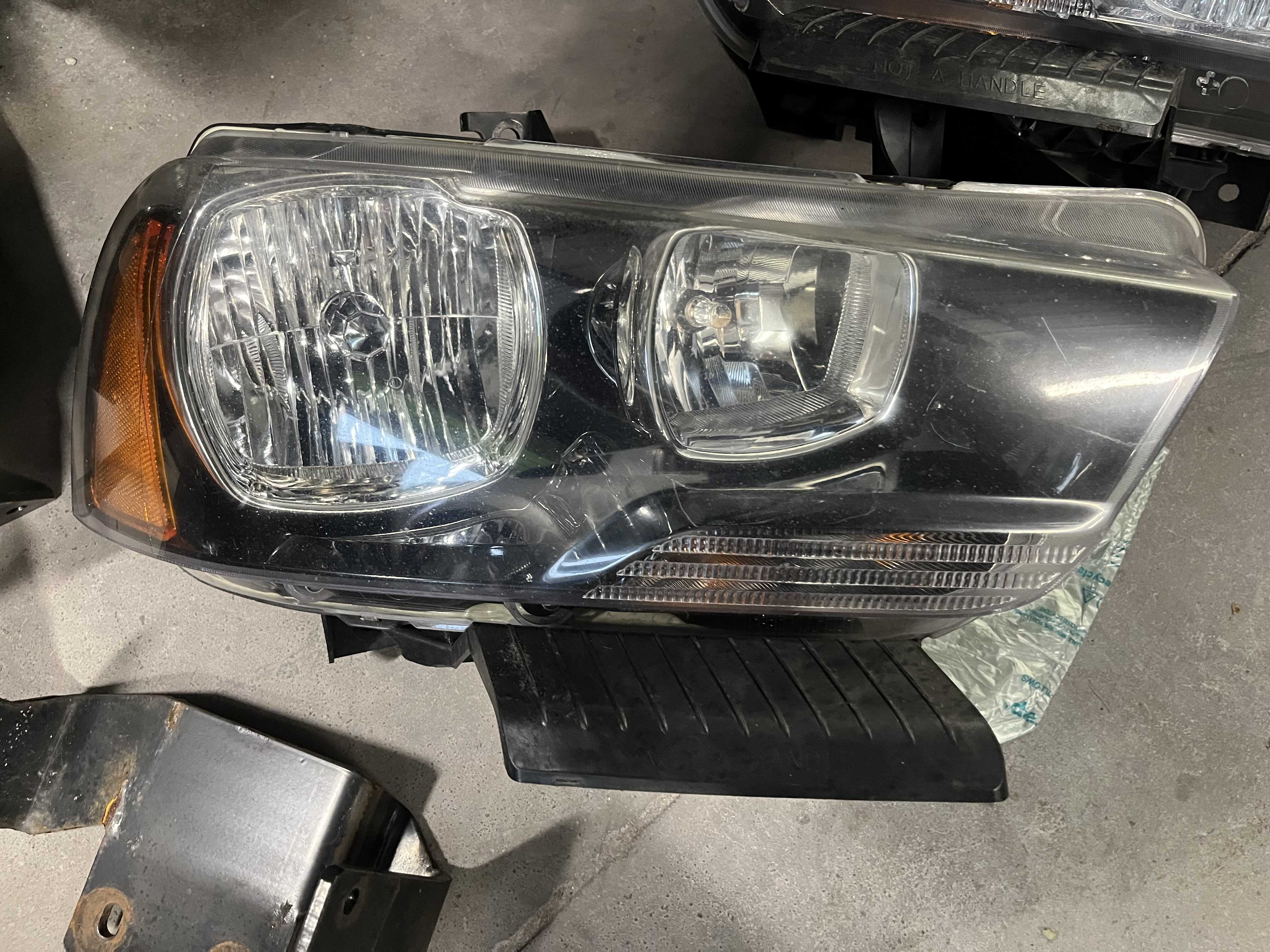
Headlights also matter more in heavy rain. If your headlight lenses are oxidized and cloudy, the light output is significantly reduced. This is fixable. And while you are checking the headlights, check that all four corners have working lights. A bad brake light is one of the easiest things to get a ticket for in Florida.
One More Thing Worth Mentioning
Rainy season brings standing water and flooding on some local roads. A few inches of standing water in the road is usually fine for most vehicles. More than that, slow down and consider an alternate route. Driving through deep standing water at speed pushes water up into air intakes, exhausts, and electrical components. Hydrolock, which is water entering the engine cylinder and bending a connecting rod, is the worst-case scenario and it happens quickly. The repair bill for a hydrolocked engine is severe.
If you cannot tell how deep the water is, do not drive through it. This applies especially to the lower-lying roads around the lake areas, where water can pool deeper than it looks.
Come by the shop at 1534 Kurt St in Eustis or call us at (352) 308-8142 before rainy season gets fully into gear. A brake inspection, tire check, and wiper replacement go a long way toward making summer driving a lot less stressful. We are open Monday through Saturday, 9 AM to 6 PM.