Your Battery Is Not Dying Because of the Cold
Most people think winter kills batteries. Up north, that is partially true. But in Eustis and across Lake County, summer is what destroys them. The heat here is relentless from May through September, and it does things to a battery that cold weather never could.
We pull dead batteries out of vehicles regularly during summer months, and most of the time the driver had no idea it was coming. The car started fine on Tuesday. Wednesday morning it does not start at all. That is how it goes with heat-related battery failure. It does not always give you much warning.
Here is what is actually happening and what you can do about it.
Heat Breaks Down Batteries from the Inside
A car battery generates electricity through a chemical reaction between lead plates and sulfuric acid. That reaction is temperature sensitive. Extreme heat accelerates the chemical process in a way that degrades the internal plates faster than normal cycling ever would.
Beyond that, Florida heat causes the fluid inside the battery to evaporate. When fluid levels drop, the plates get exposed and start to deteriorate. Once the plates are damaged, the battery cannot hold a full charge regardless of how good the alternator is.
Cold weather slows the chemical reaction down, which is why cold reduces cranking power. But heat actually destroys the battery’s capacity to function over time. A battery that might last six years in Minnesota lasts three to four years in Central Florida. Sometimes less.
If your battery is more than two years old and you have never had it tested, this summer is the time to do it.
The Symptoms People Miss
The most obvious sign is slow cranking. When you turn the key and the engine turns over more slowly than usual, the battery is struggling to deliver full current. A lot of drivers hear this and think nothing of it because the car still started. That is a mistake. Slow cranking is the battery telling you it is running out of capacity.
Other signs are less obvious. Warning lights that flicker or come on briefly then disappear. Accessories that behave strangely. The A/C that seems weaker right after startup. A radio that resets when you start the car. These are all signs of a battery that cannot maintain consistent voltage, and consistent voltage is what every electrical component in your vehicle depends on.
One thing we see constantly: a driver replaces a bad battery and then a few weeks later brings the car back because the new battery is having problems too. Almost always, the alternator was failing and running the original battery into the ground. The new battery starts taking the same damage because the root cause was never addressed.
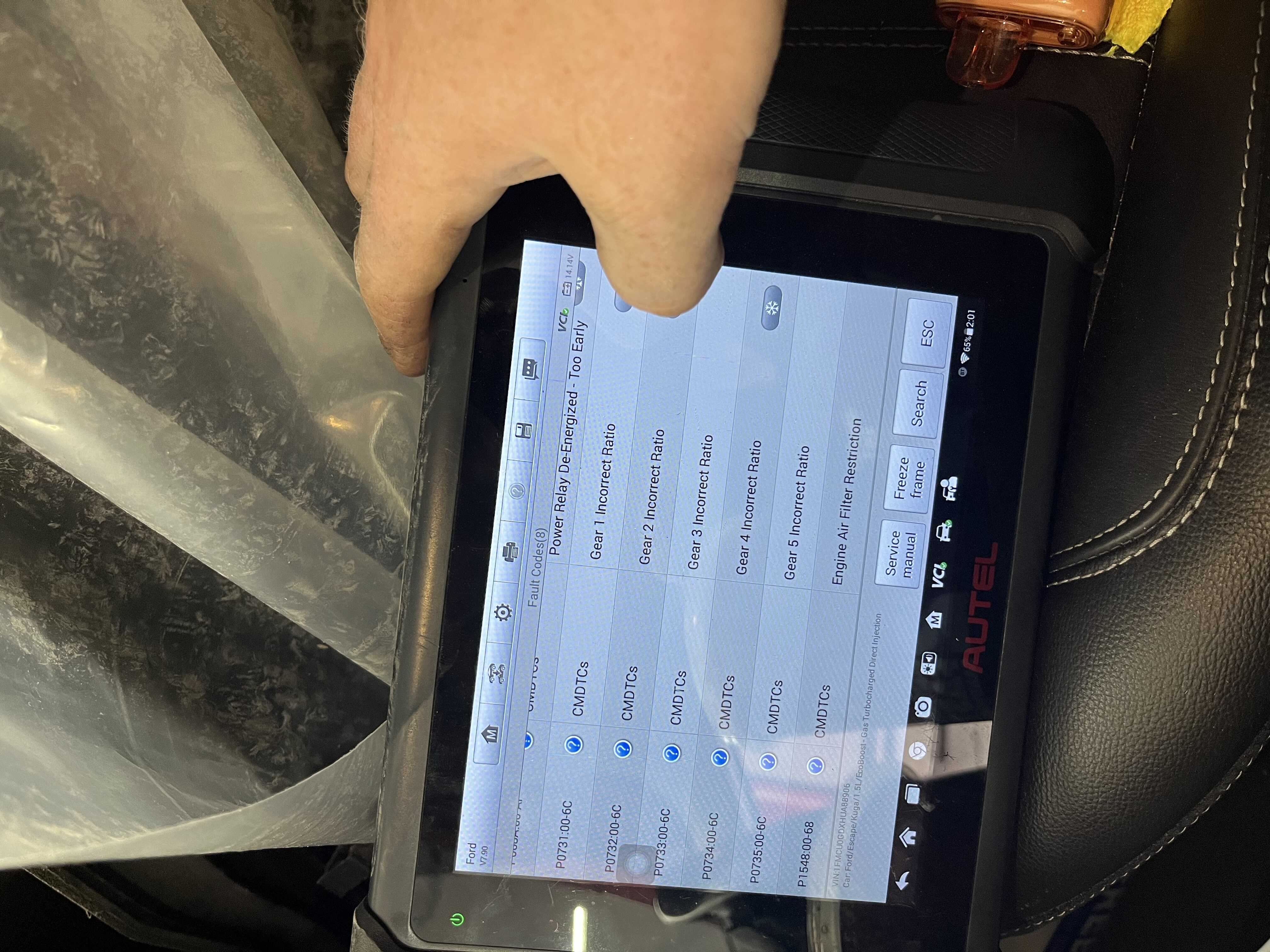
When we test a battery, we also test the charging system. Both matter.
What a Load Test Actually Tells You
You can buy a cheap battery tester at an auto parts store or have a parts store read the voltage. Neither one tells you what you need to know.
Voltage at rest tells you that the battery has a charge. A load test tells you whether the battery can deliver current under actual demand. A battery can show 12.6 volts sitting still and fail the moment you try to start a hot engine on a 95 degree afternoon. We have seen it dozens of times.
Professional load testing applies a controlled draw to the battery and measures how it responds. That is the only way to know whether a battery is actually healthy or just resting well. We do this on every battery complaint that comes through the shop, and we do it before recommending replacement.
Florida-Specific Things Worth Knowing
Batteries near water have a harder time. If you park outside near Lake Dora, Lake Harris, or anywhere along the Chain of Lakes, the humidity is working against your terminals year round. Corrosion builds up on battery terminals and creates resistance in the electrical connection. That resistance causes the same symptoms as a weak battery, slow starts, flickering accessories, charging problems, even though the battery itself may be fine.
We always check the terminals and cables before concluding the battery needs to be replaced. Sometimes a thorough cleaning of corroded terminals is all it takes. Sometimes the battery is the problem. Sometimes it is both. We check all of it.
Heat also affects how long a dead battery can recover from a jump. If a battery has been deeply discharged in high heat, jumping it and driving for 20 minutes often is not enough to bring it back to full charge. The alternator cannot fully recover a deeply discharged battery during a short drive, especially if the A/C and other accessories are drawing current at the same time. If your battery died and you jumped it, have it tested before assuming it is fine.
What to Do Right Now
If your vehicle is more than two years old and the battery has never been tested, bring it in before summer gets into full swing. A load test takes about 15 minutes and tells you exactly where you stand.
If you are already noticing slow starts, electrical flickering, or anything that feels off with how the car starts or runs, do not wait. Batteries that are marginal in May often fail completely in July when the heat is at its worst and the demand on the electrical system is highest.
A battery replacement is one of the least expensive repairs we do. Getting stranded in a hot parking lot in July is one of the most avoidable situations we see. These two facts are related.
Come by 1534 Kurt St in Eustis, call us at (352) 308-8142, or stop in during the week. Walk-ins are welcome Monday through Saturday, 9 AM to 6 PM.