Check Engine Light On? Here’s What You Need to Know
Few things cause more anxiety than seeing that ominous check engine light illuminate on your dashboard. Some drivers panic immediately, while others ignore it for months. The truth lies somewhere in between. At AJ Auto Repair in Eustis, FL, we diagnose check engine lights daily, and understanding what this warning means can save you money and prevent serious engine damage.
What Your Check Engine Light Actually Means
Your check engine light, also called a malfunction indicator lamp (MIL), is part of your vehicle’s onboard diagnostics system (OBD-II). This sophisticated computer network constantly monitors dozens of sensors throughout your engine, transmission, and emissions systems. When the computer detects a problem, it stores a diagnostic trouble code (DTC) and illuminates the check engine light.
The light doesn’t tell you what’s wrong - it simply alerts you that the computer has detected something abnormal. This could be anything from a loose gas cap to a failing catalytic converter. Some issues are minor inconveniences, while others indicate serious problems that require immediate attention.
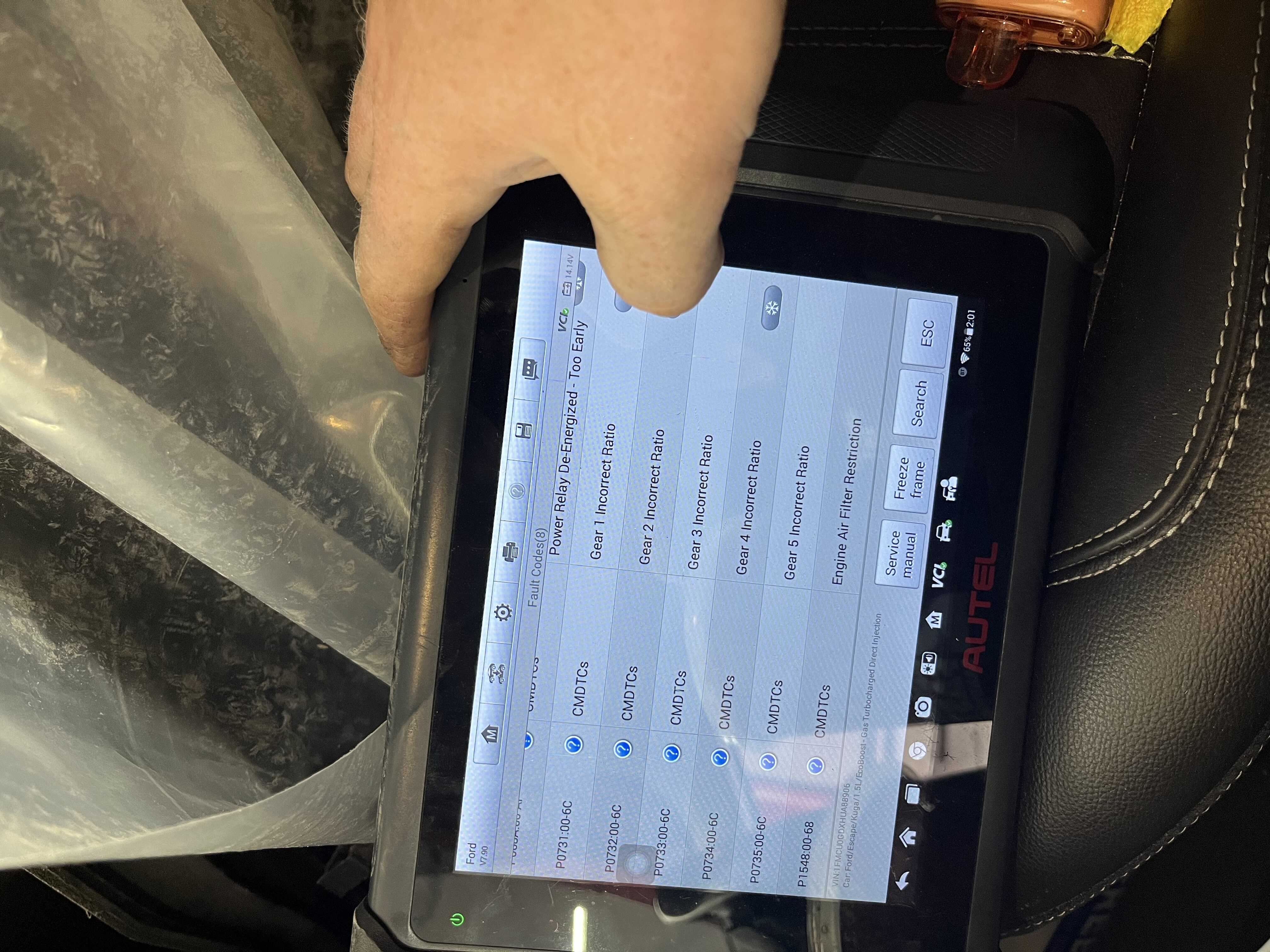
Modern vehicles store specific codes that pinpoint the problem area. At AJ Auto Repair, we use professional-grade diagnostic scanners to read these codes, not the cheap code readers sold at auto parts stores. Professional scanners provide detailed information including freeze frame data, pending codes, and live sensor readings that help us diagnose the root cause.
Common Check Engine Light Causes
Loose or Damaged Gas Cap: The most common and least serious cause. Your fuel system is sealed and pressurized. A loose, damaged, or missing gas cap allows fuel vapors to escape, triggering the evaporative emissions system code. Simply tightening or replacing the gas cap often solves the problem, though the light may take several drive cycles to reset.
Oxygen Sensor Failure: Oxygen sensors monitor exhaust gases to help your engine run efficiently. When they fail, your fuel economy drops significantly, and your vehicle produces higher emissions. Replacing a failed oxygen sensor costs $200-$400 but prevents more expensive catalytic converter damage.
Catalytic Converter Problems: Your catalytic converter reduces harmful emissions. When it fails, you’ll notice reduced engine performance, poor fuel economy, and a rotten egg smell. Catalytic converter replacement is expensive ($1,000-$2,500), but often results from neglecting other issues like oxygen sensor or spark plug problems.
Mass Airflow Sensor Issues: The MAF sensor measures incoming air so your engine’s computer can adjust the fuel mixture. A dirty or failing MAF sensor causes rough idling, hesitation, and poor acceleration. Cleaning or replacing this sensor is relatively inexpensive and restores normal performance.
Spark Plug or Ignition Coil Failure: Worn spark plugs or failing ignition coils cause misfires that trigger the check engine light. You’ll feel rough running, hesitation, or loss of power. Replacing spark plugs and ignition coils is routine maintenance that prevents damage to your catalytic converter.
Evaporative Emissions System Leaks: Beyond the gas cap, leaks in fuel vapor hoses, charcoal canisters, or purge valves trigger emissions codes. These leaks allow gasoline vapors to escape, harming the environment and wasting fuel. Diagnosis requires specialized smoke testing equipment to locate small leaks.
When to Take It Seriously
A solid check engine light (not flashing) indicates a problem that needs attention but isn’t immediately dangerous. You can typically drive to a repair shop safely, though you should schedule service soon. Continuing to drive with a check engine light means you won’t know if a new, more serious problem develops.
A flashing check engine light is an emergency. This indicates a severe misfire that’s dumping unburned fuel into your catalytic converter. The extreme heat can destroy the catalytic converter within minutes. Pull over safely and have your vehicle towed to avoid catastrophic damage.
If your check engine light comes on with other warning lights, or if you notice severe symptoms like overheating, loss of power, or strange noises, stop driving immediately. Multiple warning lights often indicate serious problems that can cause engine failure if you continue driving.
Why You Shouldn’t Ignore It
Beyond the obvious safety concerns, driving with a check engine light has several negative consequences. Your vehicle’s computer enters “limp mode” when certain problems are detected, limiting power and performance to prevent damage. This makes your vehicle less responsive in traffic and potentially dangerous in emergency situations.
Failed emissions components cause your vehicle to pollute more. In many states, you cannot renew your vehicle registration without passing emissions testing. A check engine light means automatic failure. You’ll need repairs before you can legally drive.
Many check engine light problems worsen over time. A $200 oxygen sensor replacement becomes a $1,500 catalytic converter replacement if ignored. A $100 spark plug change becomes a $1,000 ignition coil and catalytic converter repair. Early diagnosis and repair always costs less than waiting.
Your fuel economy suffers significantly with many check engine light problems. A failing oxygen sensor can reduce fuel economy by 40% or more. Over months of driving, you spend far more on wasted gasoline than the sensor replacement would have cost.
The Free Code Reading Trap
Many auto parts stores offer free code reading. They plug in a basic scanner, tell you the code, and often suggest parts you might need. This seems helpful, but it’s actually problematic. Code readers only tell you which sensor detected a problem - not what caused it.
For example, code P0420 indicates low catalytic converter efficiency. A parts store might suggest you need a new catalytic converter. However, this code often appears because of failing oxygen sensors, exhaust leaks, or engine misfires. Professional diagnosis determines the root cause. We’ve saved countless customers from unnecessary catalytic converter replacements by diagnosing the actual problem.
Professional diagnostic equipment provides much more information than basic code readers. We see live sensor data, freeze frame conditions, pending codes, and manufacturer-specific codes that generic readers miss. This detailed information allows accurate diagnosis the first time.
What to Expect During Professional Diagnostics
When you bring your vehicle to AJ Auto Repair with a check engine light, we start with a comprehensive diagnostic scan. We read all stored codes, check pending codes, review freeze frame data, and monitor live sensor readings while test driving your vehicle if necessary.
Based on the codes and symptoms, we perform specific tests to confirm the diagnosis. This might include checking fuel pressure, testing individual sensors, inspecting wiring for damage, or performing compression tests. We never guess or just throw parts at the problem.
Once we’ve diagnosed the issue, we provide a detailed explanation of what’s wrong, why it happened, and what it will cost to fix. We prioritize repairs based on safety and urgency. Some problems need immediate attention, while others can wait if budget is a concern.
Preventing Future Check Engine Lights
Regular maintenance prevents many check engine light problems. Follow your manufacturer’s recommended service schedule for oil changes, spark plug replacement, air filter changes, and fuel filter replacement. These simple services prevent problems before they occur.
Use quality fuel from reputable stations. Cheap or contaminated fuel damages fuel injectors, oxygen sensors, and catalytic converters. Top tier gasoline contains detergents that keep your fuel system clean.
Address problems when they first appear. Strange noises, rough running, or reduced performance often precede check engine lights. Getting these symptoms diagnosed early prevents more expensive repairs later.
Expert Diagnostics in Eustis, Florida
Don’t ignore that check engine light. Get professional diagnosis and repair from the experts at AJ Auto Repair. We’ll find the problem and fix it right the first time.
Contact AJ Auto Repair
📞 Call (352) 308-8142
📍 1534 Kurt St, Eustis, FL 32726
🌐 Visit Our Website
Serving Lake County and Central Florida - Professional engine diagnostics, check engine light diagnosis, OBD2 scanning, and emissions repair for all makes and models.